Hackathons Are The New College Athletics
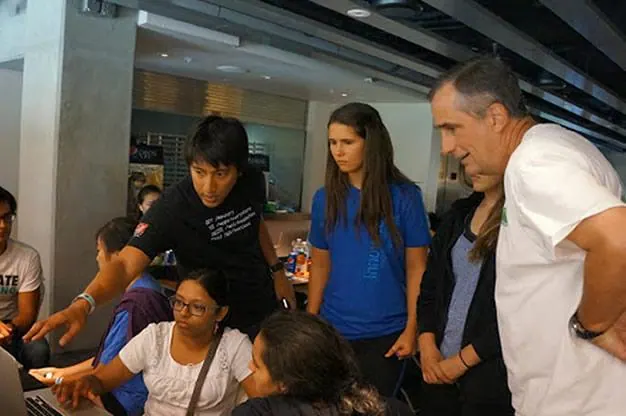
Intel CEO Brian Krzanich visiting CalHacks with Intel Mashery evangelist Cheston Contaoi A unique thing is happening at major universities around the...
Originally published on the Intel blog
- intel
- iot
Originally published at the Intel Software Evangelists blog on December 9, 2014. Recovered from the Internet Archive.
Intel CEO Brian Krzanich visiting CalHacks with Intel Mashery evangelist Cheston Contaoi
A unique thing is happening at major universities around the country which has wide-ranging implications to the way “platform” technology companies recruit new developers to their products (and as employees).
Collegiate hackathons, which have now spread coast-to-coast at major American universities (as well as abroad), have become an extremely valuable new seeding ground for the marketing of technical products. Furthermore, the high-energy atmosphere at these events is creating opportunity for a new wave of startups like Major League Hacking and Thalmic Labs to found thriving new businesses.
Hackathons are now a college sport, a new form of athletics and should be taken very seriously. If you do not have a rock-solid hackathon evangelism and recruiting strategy, you risk being left far behind.
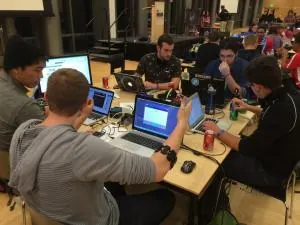
Students Run The Show, Often Against Opposition
I can’t underscore this point enough: Students are putting these events together often against significant organizational friction and roadblocks on the part of their universities. I have tremendous respect for these students who often have to cut through numerous layers of bureaucracy to do something which these schools should otherwise be openly cheerleading and celebrating.
I have heard over and over again from student organizers: “I feel like they don’t want us to do this.” Many times students face up-hill opposition to running the event…until AFTER the event happens. Once schools notice that massive amounts of media and positive PR (even visits from state governors) resulting from hackathons, they tend to change their stances to be more supportive.
To large universities who do not currently have a major hackathon series: Make it easy on the students who are organizing your hackathon and provide as much support as you can!
Hackathon Organizers Are “The Best Of The Best”
The students who organize large hackathons are the best of the best. They demonstrate technical competence, leadership, the ability to build and lead teams and (often) a mature ability to negotiate tens of thousands of dollars in sponsorships. These organizers often are extremely networked throughout the country as they frequently attend numerous external hackathons. As such, they often find themselves landing top internships and job offers from the likes of Google and Apple.
In the world of hackathons as a college sport, organizers are the star quarterbacks.
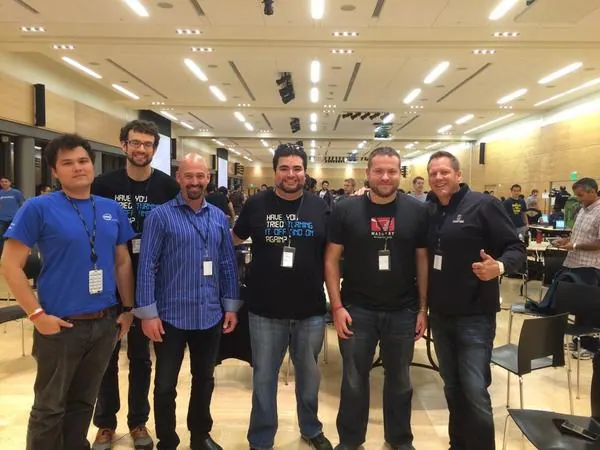
Intel Seattle’s Joel Brown, recruiter Jack Vargas, SSG lead Doug Fisher and myself at DubHacks
The Phenomenon Is Still New, Still Growing
Not long ago I attended the first large-scale DubHacks here in Seattle at the University of Washington which brought in over 500 students (with many on the waiting list) and dozens of AAA sponsors like Facebook, Google and Intel on their very first try (good job guys). I am often hearing of new hackathons being founded, it seems as though there is still room for growth.
If you are not fully convinced of the magnitude of this phenomenon, a recent TechCrunch article estimated that roughly 1,5000 hackathons will have occurred in 2014. Last Spring, one of America’s largest collegiate events, PennApps reached a record attendance of ~1,600 students.
My team at Intel Mashery attends 75-100 hackathons per year and often attend events organized using our free public hackathon management tool, Hacker League so we have seen this phenomenon first hand.
Sponsorships are piling up and more and more companies are getting into the sport of hackathons.
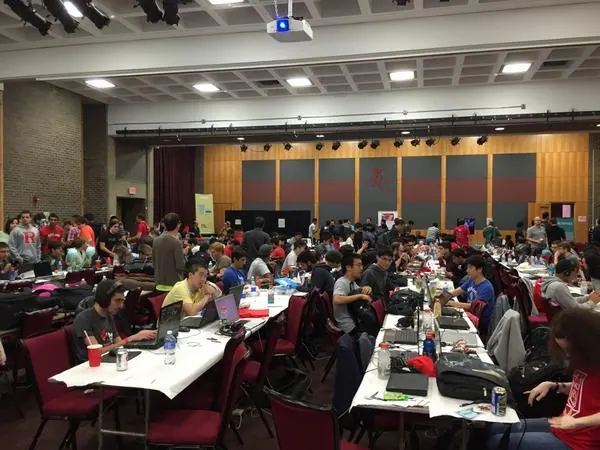
Collegiate Hackathons Have Massive Network Effects
It has now become common for students to receive travel reimbursements (sometimes as high as $150) to attend hackathons outside of their own alma mater. This is now possible due to the tremendous amounts of sponsorship dollars now pouring into these events and unlocks free movement of students in a way that was not possible before.
It is also becoming very commonplace for students to attend numerous hackathons prior to graduating (I once met a student who had been to 30 hackathons before his freshman year, for example).
Put these together and you network effects. In environments like this, things can go viral very quickly. Word of mouth about a fantastic product can rapidly reach thousands of people in the incredibly valuable emerging demographic of new STEM graduates.
Get your product into the hands of students and it will sell itself (provided that it is “hackaton ready”).
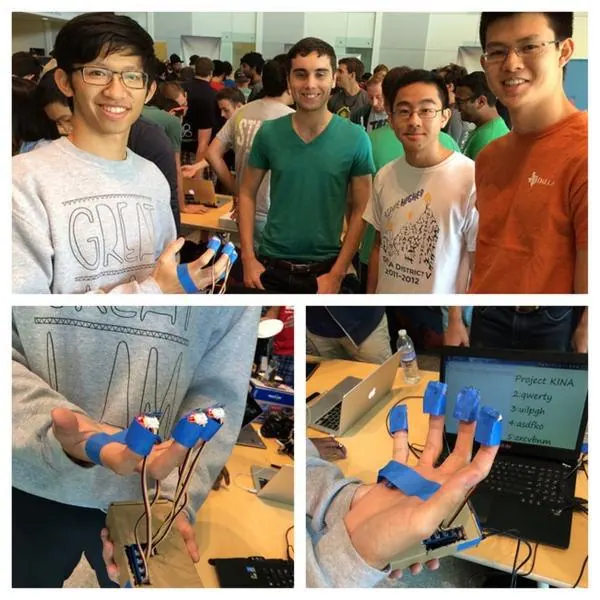
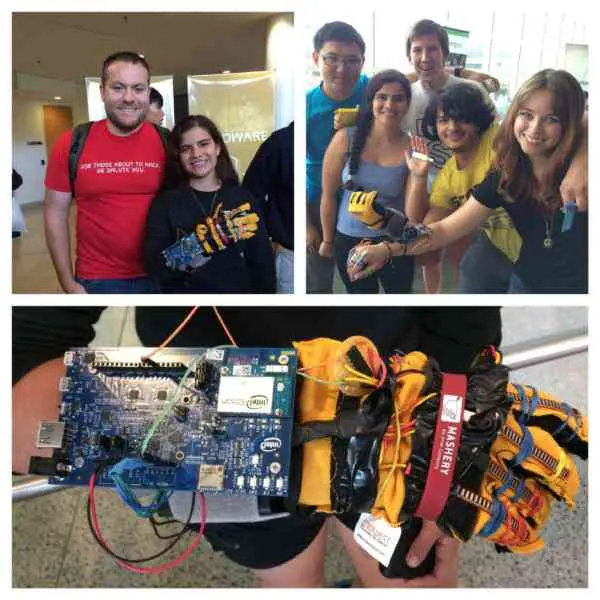
Projects built with Intel Edison at HackGT
Extracting Value From Hackathons Isn’t Easy
Despite these factors, deriving business value from sending employees to hackathons is difficult and requires a different mindset than a career fair or trade show. Too often I see companies sending a group of marketing or recruiting people to stand idle at their table hoping to play promotional videos to students or hand them pamphlets. *Guys: That is not how this is done.*The most successful companies I see send technical mentors who can actively support students in learning new technologies. Examples include SendGrid and Twilio.
My closing advice to everyone: If you haven’t visited a major collegiate hackathon yet, I recommend doing so!
Rex St. John is an Intel® Evangelist, exploring opinions, insights, and ideas on the Internet of Things. Join the conversation at <evangelists.intel.com>.