The Industrial Maker
For those of you who are new, this newsletter is a semi-regular “ecosystem and analysis” report focusing on the Industrial Internet of Things (which encapsulates, well, everything).
Originally published on the Taroko blog
- newsletter
- iot
Originally published at the Taroko newsletter on May 22, 2019.
Hello again,
For those of you who are new, this newsletter is a semi-regular “ecosystem and analysis” report focusing on the Industrial Internet of Things (which encapsulates, well, everything). I wanted to thank everyone who emailed me comments after the last report and for the surprising number of referral signups that came in.
In this “episode,” I am going to be covering my experience at Maker Faire (from a state of the industry perspective). I tend to focus on Arm-related topics because that is the primary thing I engage in.
As usual, I try to keep these infrequent and appreciate your reading these updates. I created this so I could have a way to talk to the people out there who are really “doing” IoT, organizing things and making “it” happen - If you are getting this, you are this kind of person!
Thanks again, Rex St. John
Maker Faire and the Industrial Maker
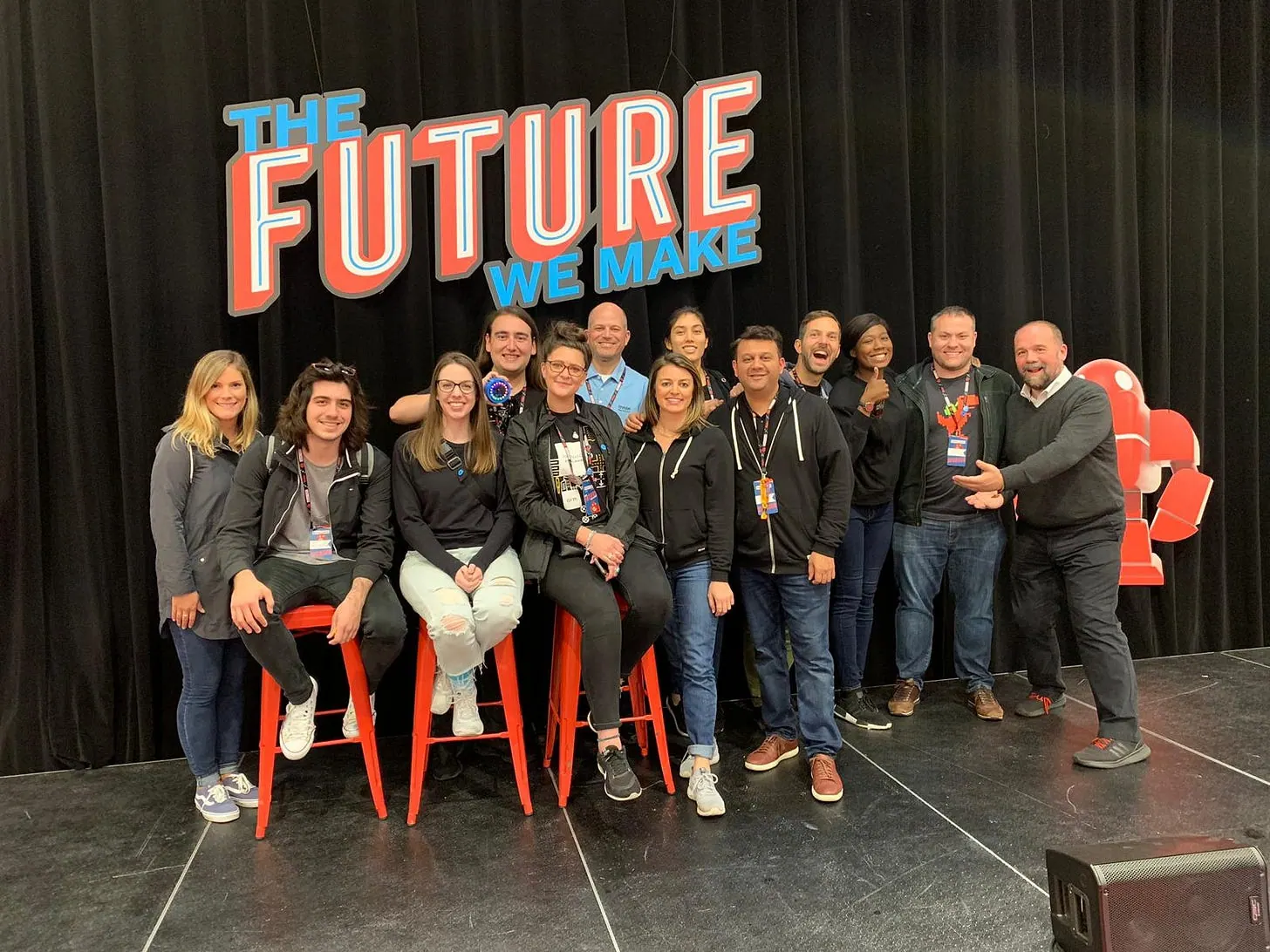
Last summer my team organized a five city roadshow throughout Asia with stops in Taiwan, Japan, Beijing, Shanghai and Shenzhen. During this tour, we flew in Raspberry Pi creator Eben Upton to speak at our Tokyo event and share his thoughts around the state of maker technology and the industry.
One of the key things that stood out for me during this talk was Eben Upton’s statement that 20,000 Raspberry Pi’s (forgive me if I mangle that number) are sold every week and up to 8,000 of them are suspected to be used for unknown industrial purposes.
I have heard similar statements from startups and others in the industry. For whatever reason, perhaps the combination of cost and software plus hardware ecosystem, the Raspberry Pi has become a favored platform for developers to use to deploy real industry solutions. Wherever those Pi’s are going, they seem to be doing real work and supplanting the “Industrial Gateways” and other technologies which have been purpose built to fill these roles.
No one would have expected such a thing to occur and there are many reasons why the Raspberry Pi may not be the ideal platform, but the message from the ecosystem seems clear: People just want a cheap and useable computer for industrial purposes.
As a result of these experiences and more, I have become quite interested in studying and analyzing how “Maker Technologies” are being picked up and deployed to solve industrial problems.
This trend of Industrial Makers was certainly on display this weekend at Maker Faire.
The Industrial Arduino
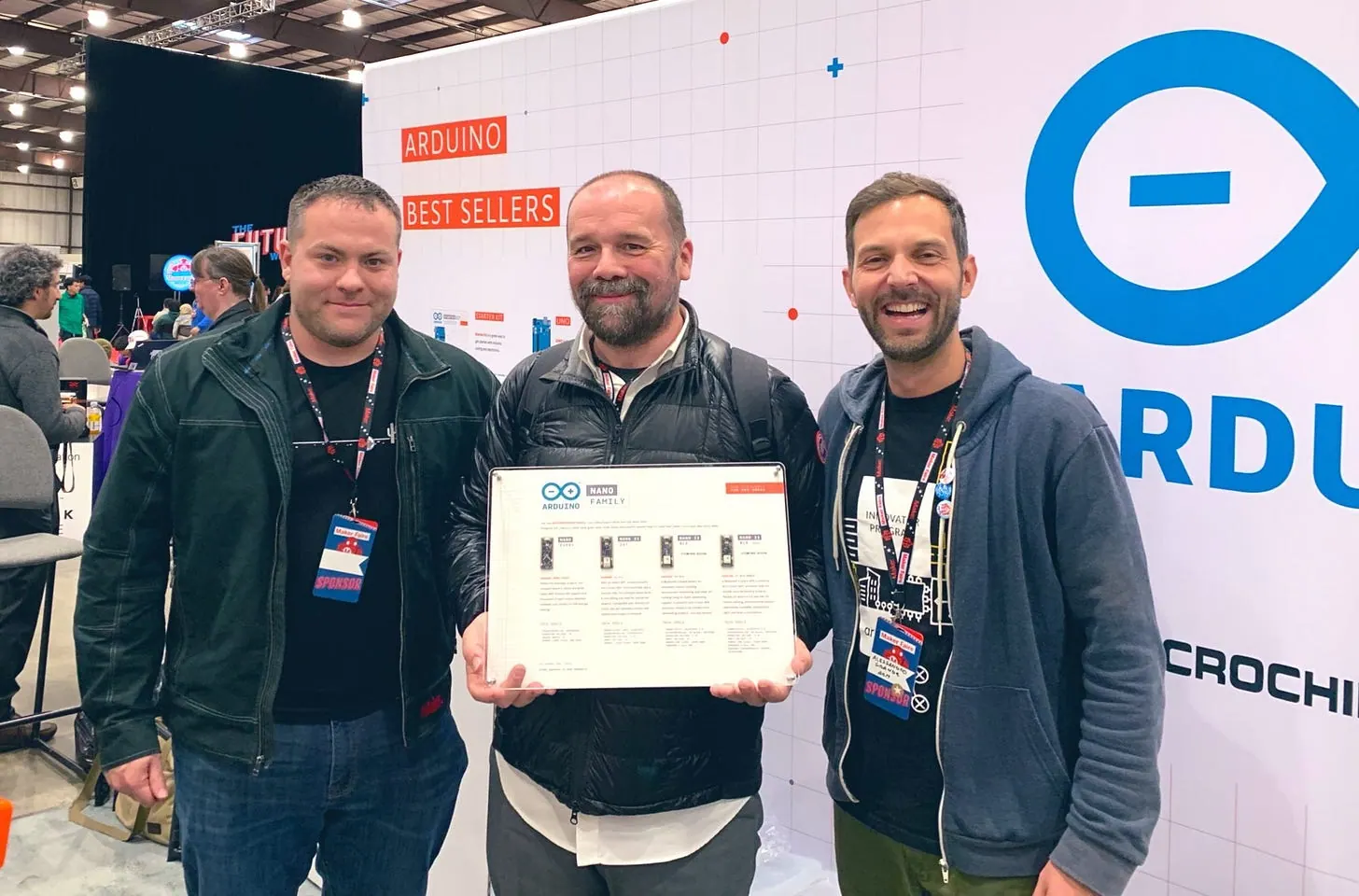
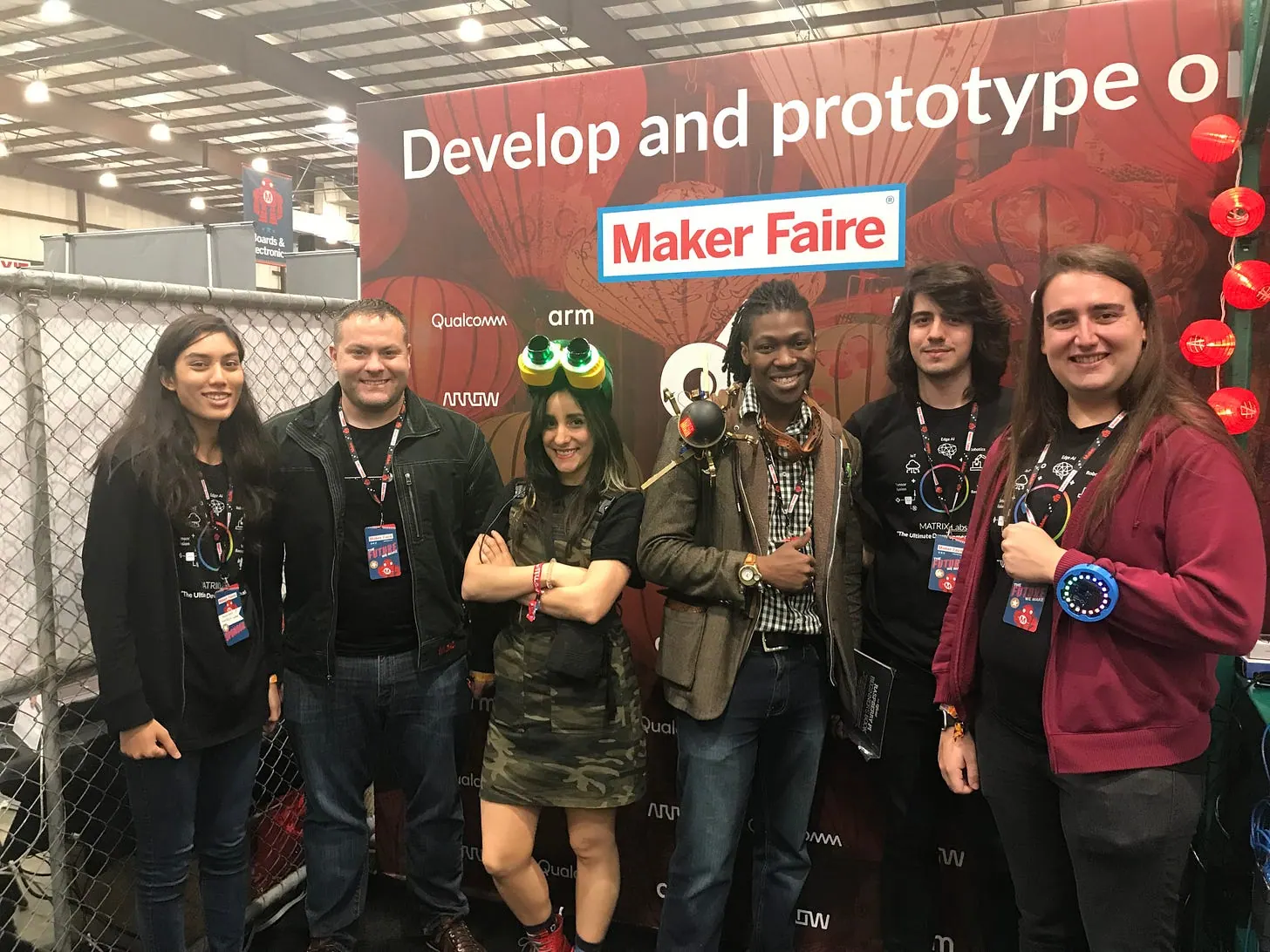
This weekend’s 2019 Maker Faire, rumored to be the last in San Mateo, my team was present in the 96Board booth in San Mateo with Linaro and Qualcomm as well as our friends at Matrix Labs to talk about Arm “Edge Computing” solutions. We also had the bonus of the launch announcement of the new Arduino Nano series from Arduino.
Thats us with Massimo Banzi, creator of Arduino showing the new Nanos, above.
The major Arm-related announcement was the release of the new “Arduino SIM” which is a global SIM card for IoT devices powered by Arm Pelion technology. What this does is allow IoT developers to create industrial IoT solutions with cellular functionality and deliver these devices anywhere in the world, across regional boundaries.
Using the Arm technology behind the scenes, these SIM cards are able to negotiate with whichever carriers are around and transact data over cellular seamlessly. They also have some nice free and cheap data plans for basic IoT.
Lately Arduino seem to have taken a turn towards the industrial and this was another example of how things seem to be playing out.
What will drive the next wave of Makers?
When I joined Intel to focus on hardware and IoT ecosystem development for the Intel Galileo, Intel Edison, Intel Joule, Intel Curie (Arduino 101) and Intel Movidius products as part of Intel’s New Technology Group, we had an extensive presence at many of the Maker Faires and were one of the largest sponsors.
It seems that industry investment in Maker Faire has taken a major hit. Aside from NVIDIA, Google and Arm, possibly a few others, there really were not that many tech companies investing heavily into makers in quite the same way as before this year.
The initial rounds of investments I suspect where highly influenced by the success of the Raspberry Pi and Arduino and may have lead to some overly optimistic efforts to capitalize on these trends by showing up at Maker Faire. However, the silicon industry has consolidated and changed in a number of ways and I think we are in an uncomfortable middle-period now where the “next big thing” in hardware seems to be missing.
Personal opinion? Robots and autonomous vehicles.
I think conditions are changing underneath the surface to make it “cool” to invest in robotics, but what seems to be missing is something along the lines of an iPhone of robots. I have been waiting for the variables to line up in robotics and finally take off for a very long time, I think this next generation of robots will be on a completely other level from what has come before.
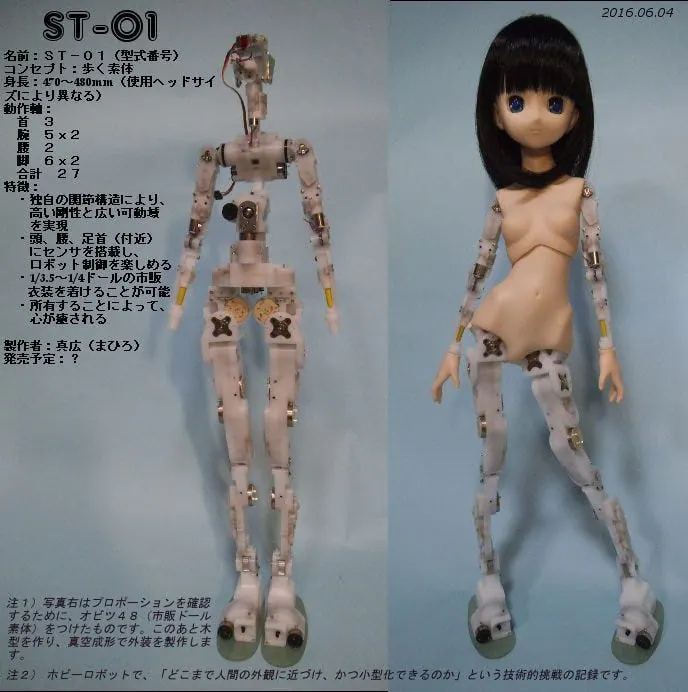
In particular, some videos coming out of Maker Faire Japan made me feel like I was witnessing the beginning of something truly huge. This little doll robot has had such incredible energy, creativity and design put into it that I feel very strongly something is happening or may happen here.
Genius is the only word that describes the work put into shrinking and compacting the exoskeleton of this robot into such a slender form.
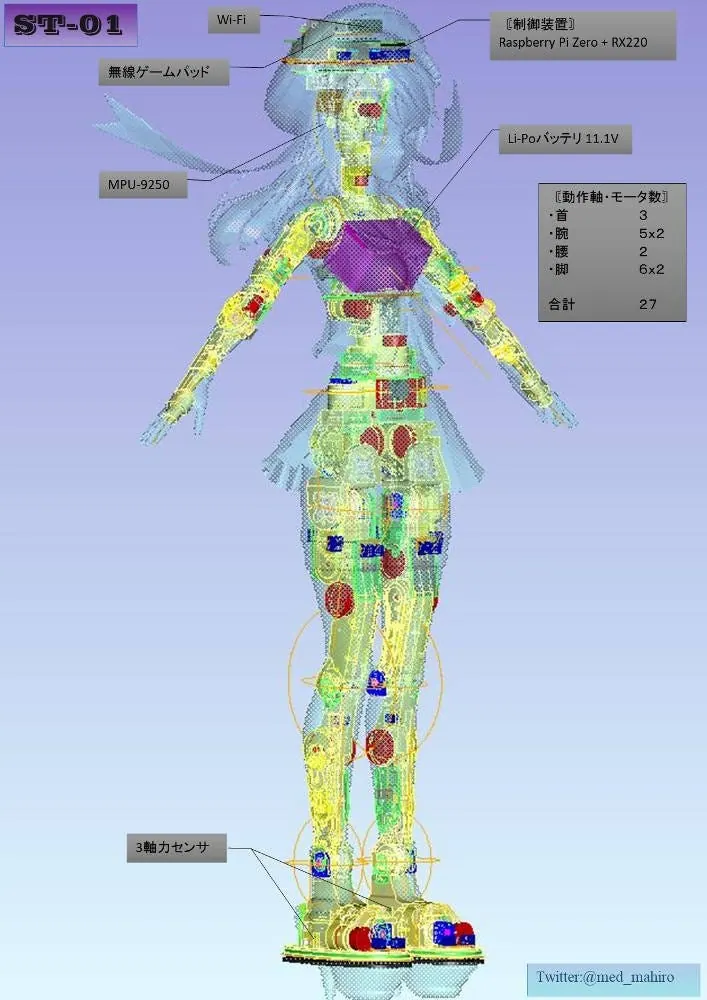
It is not a tremendous leap to imagine taking a little robot like this, which has had some simply incredible design and engineering and adding deep learning, perhaps some cloud or voice intelligence and scaling it up a few sizes.
Where is the Raspberry Pi of humanoid robots? Are we looking at it now?
Soon, I hope. For me this is the magic of the Maker Faire that attracted the massive previous industry investment. Lightning is going to strike again, and it will strike again in the Maker Movement. Robots are feeling ready to evolve soon.
Arm Innovator Summit
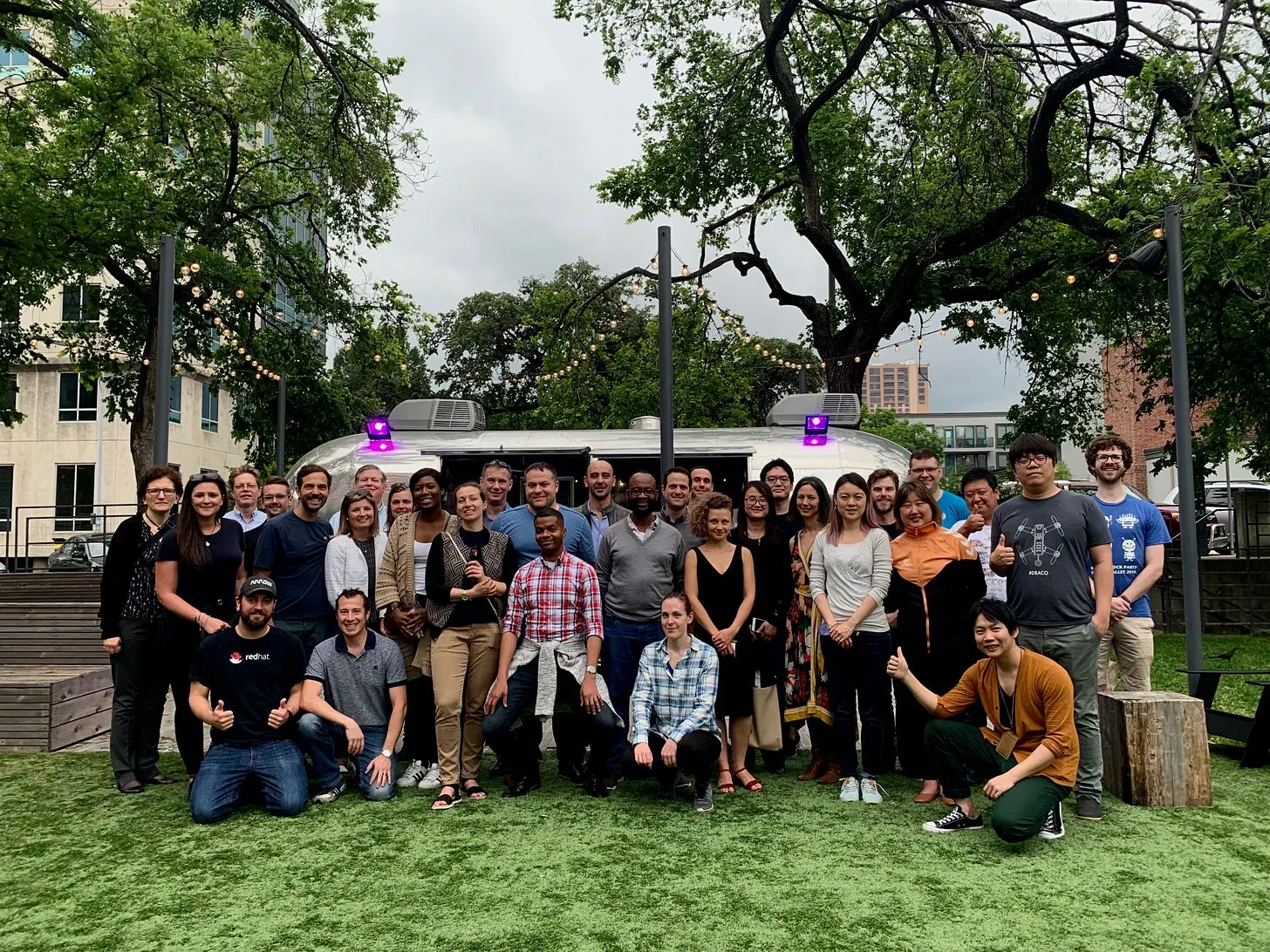
I left this out of my last newsletter because it was getting too long. My team organize a program which pulls in many of the top developer innovators from around the world called “The Arm Innovator Program.”
Last month we organized our first “Arm Innovator Summit” to bring many of these Innovators in to meet each other and share their work, as well as interact with all the people from Arm.
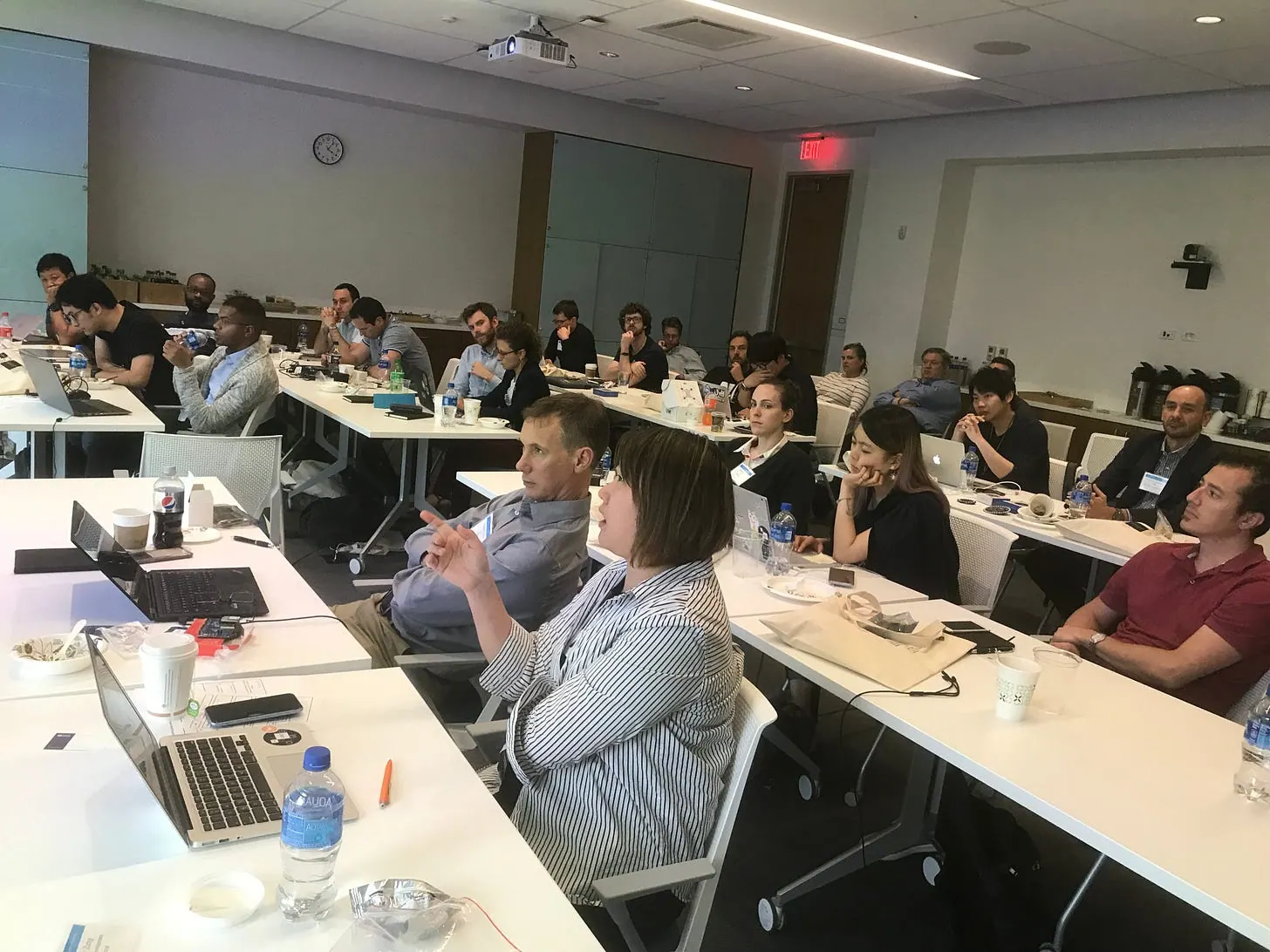
Simply put, amazing things happen when you defragment your ecosystem and put people together. My favorite experience was meeting Dr. Ciira who organizes Data Science Africa.
Africa and the tech and AI work being done there seems to have hit a major inflection point. Recently, the buzz and motion in my social media has hit a much higher level of activity than I have seen before. Something big is happening in Africa, lots of major companies investing and those investments are paying off big.
The first Seattle Edge Leadership (CTO) Dinner
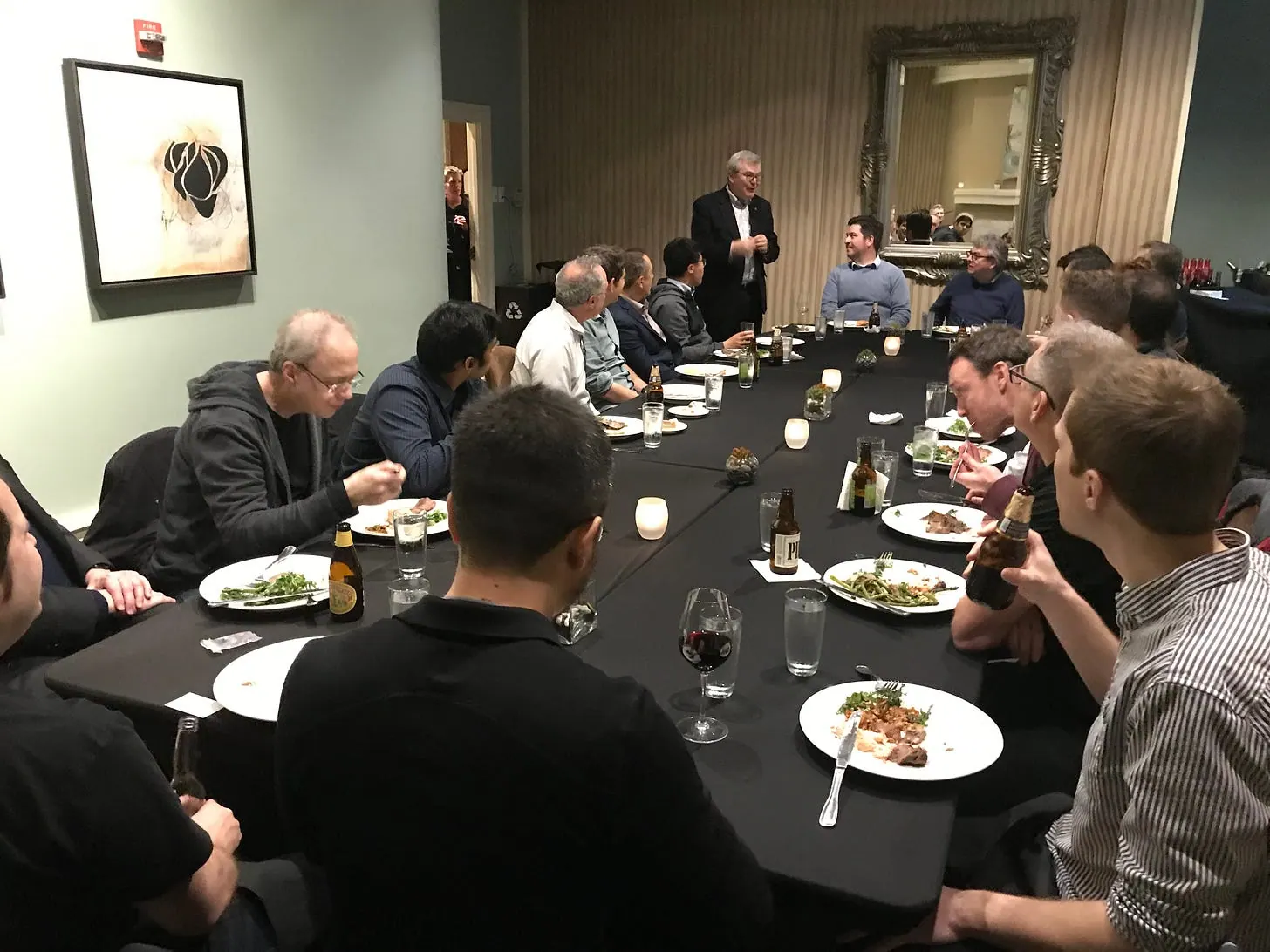
One final highlight from the local perspective which I have also been leaving out. We pulled together 24 of Seattle’s top local CTOs doing Edge Computing, Hardware and AI. It was an experimental event to see what would happen if everyone got together and discussed the future of hardware technology and Washington State.
I think we will be returning to this event again soon with a focus on 5G. I have been having conversations with the people from QuakeVC and I think we may bring this event back, soon.