Silicon, boards and platforms
The hardware I helped put in developers' hands — compute modules, carrier boards, reference designs, robots and vehicle platforms. A chip is not a product until someone can build on it in an afternoon.
Intel/community
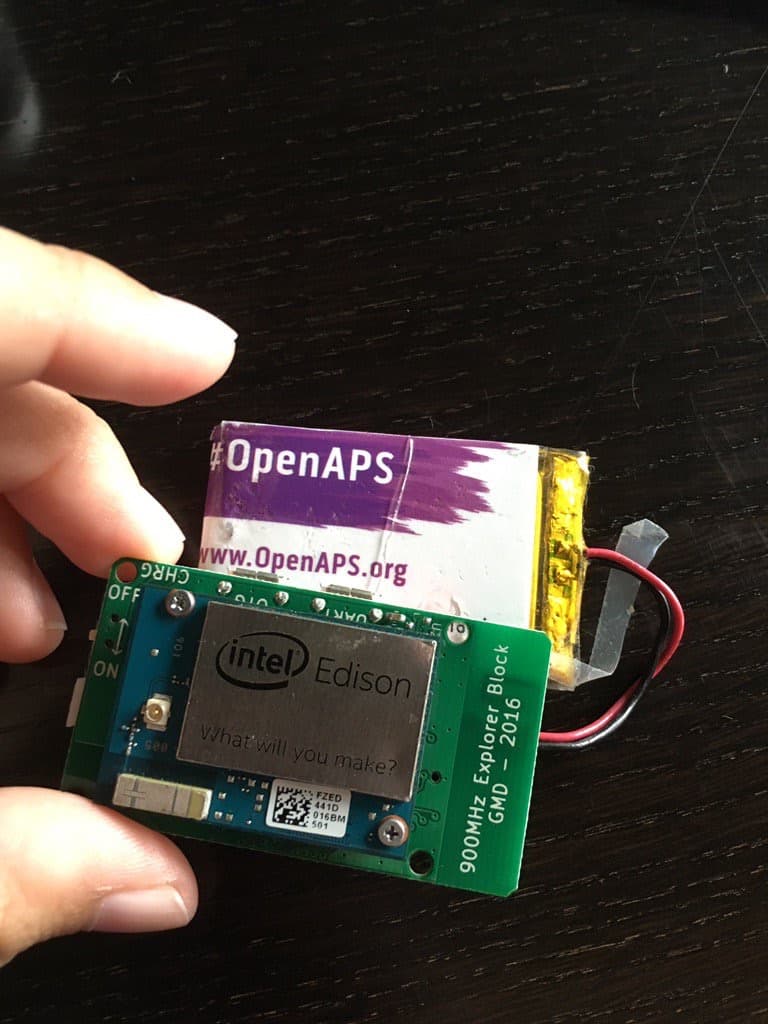
OpenAPS on Intel Edison
The open-source artificial pancreas community built their closed-loop insulin system on Edison and the Explorer Board — the clearest case I have seen of a platform finding a use nobody at the company had planned for.
AIoT / Semiconductors
Arm/port
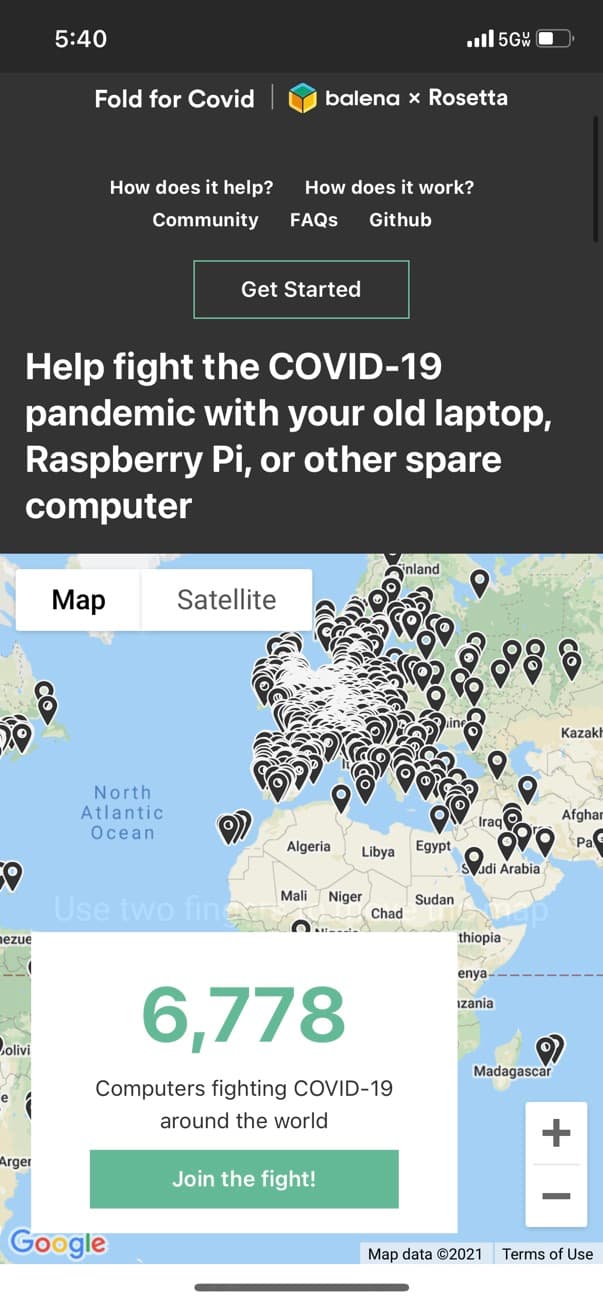
Fold for Covid
Rosetta@home brought onto Arm, so anyone with an old laptop, a Raspberry Pi or a spare board could contribute protein-folding compute to COVID-19 research by flashing a single image.
Semiconductors / AI
Arm/platform
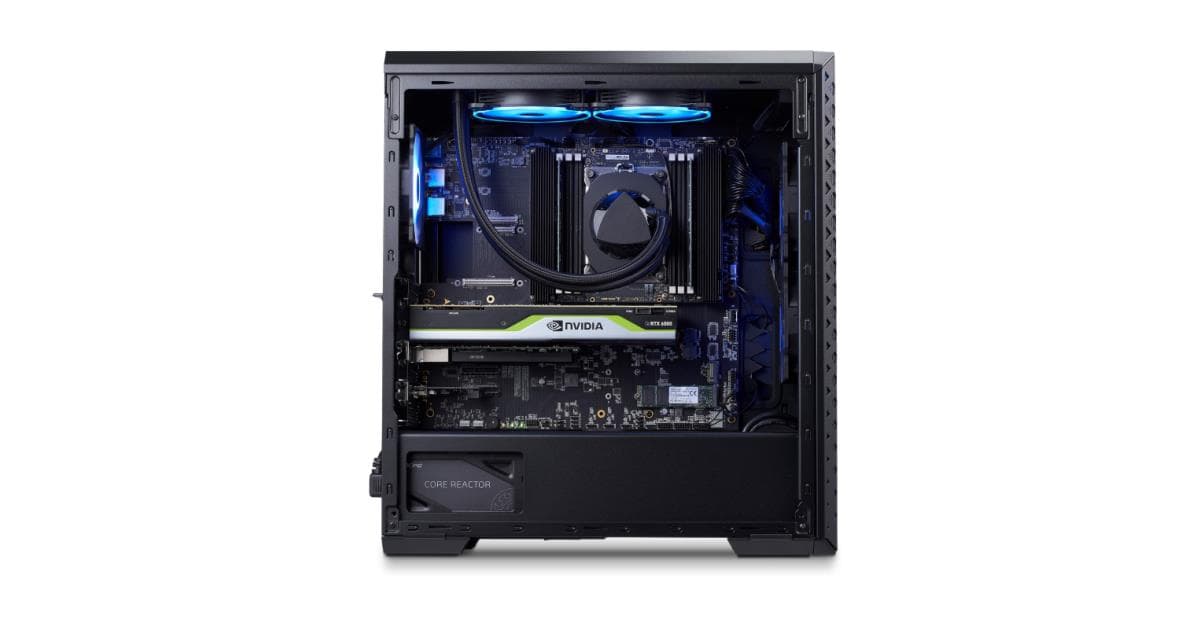
SOAFEE
Scalable Open Architecture for Embedded Edge — the Arm project defining an open standard for software-defined vehicles. I worked on enabling the development platform ADLINK built for it.
Robotics / AI / Semiconductors
Intel/platform
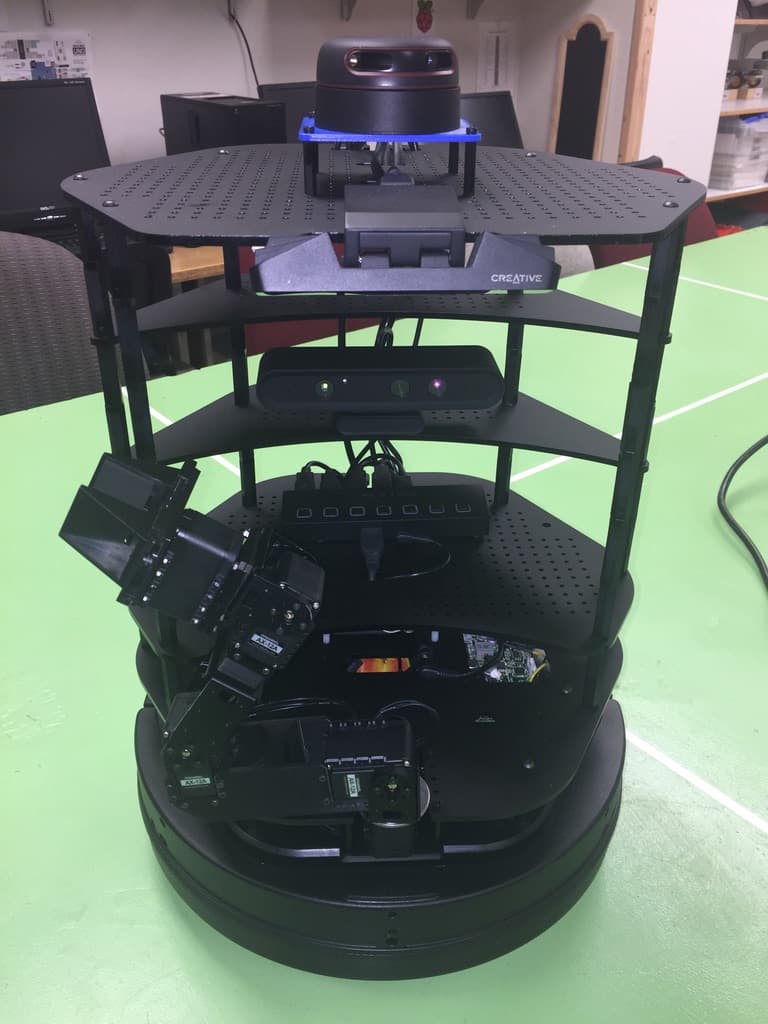
Joule robotics platform with Portland State University
University robotics platform built on Joule, turning a compute module into something a research and teaching program could actually run on.
Robotics / Semiconductors
Intel/module
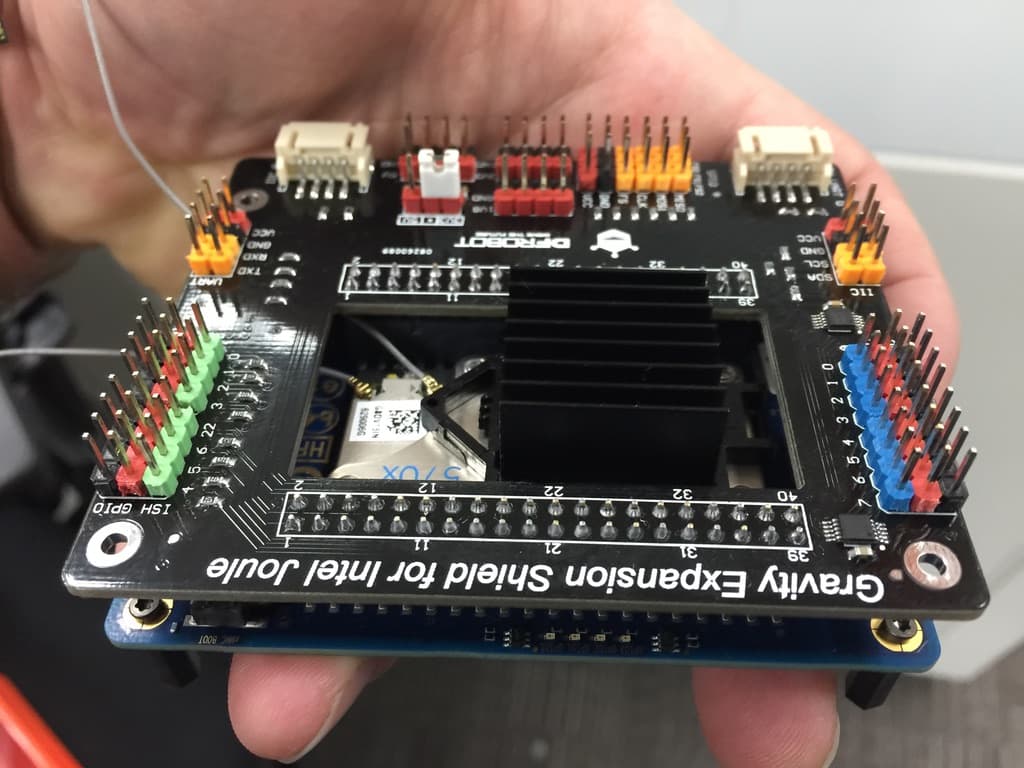
Intel Joule
Intel's highest-performance maker module, aimed at robotics, drones and machine vision. I built the global launch ecosystem around it — the partner network, the platform lineup it shipped with, and the carrier boards it needed and did not have.
Semiconductors / Robotics / AIoT
Intel/module
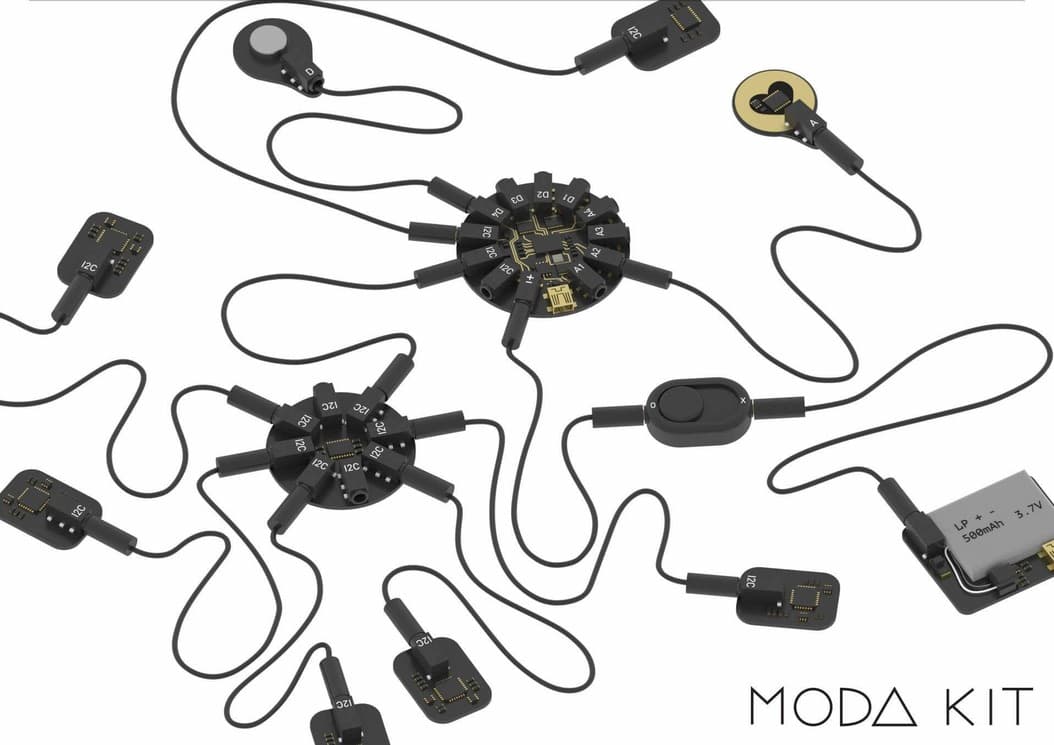
Intel Curie
Button-sized module with onboard motion sensing and pattern matching, aimed at wearables — and the one where the most interesting hardware around it came from designers rather than engineers.
Semiconductors / AIoT
Intel/module
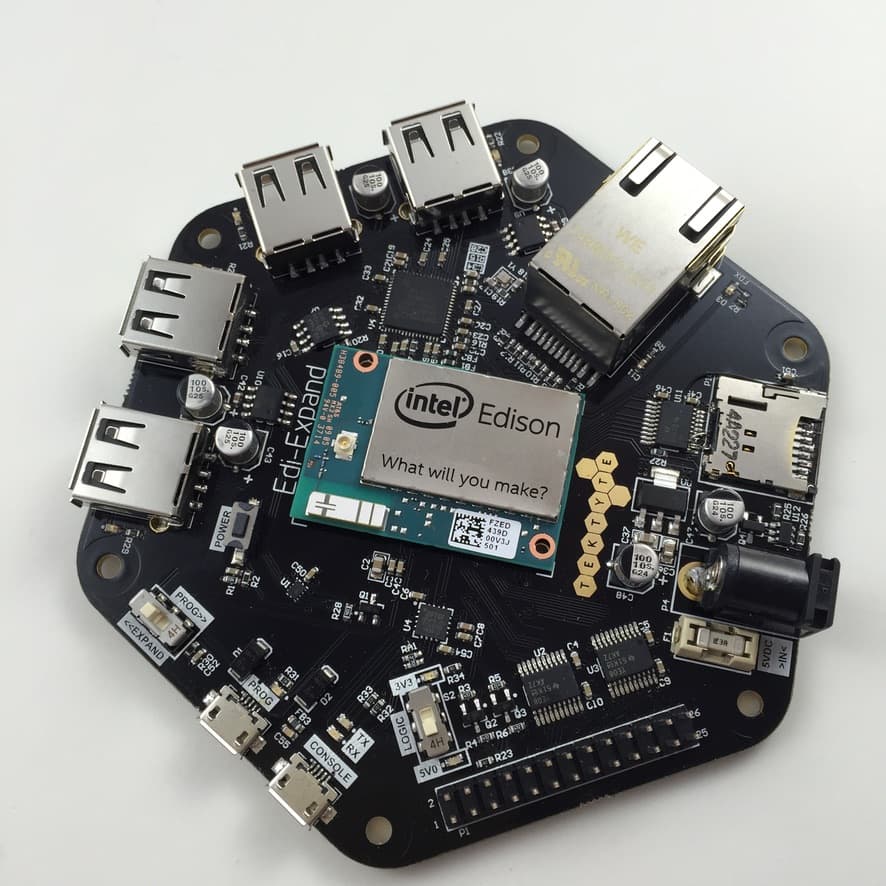
Intel Edison
Postage-stamp compute module for connected devices, and the one whose third-party carrier boards mattered more than anything Intel shipped around it.
Semiconductors / AIoT